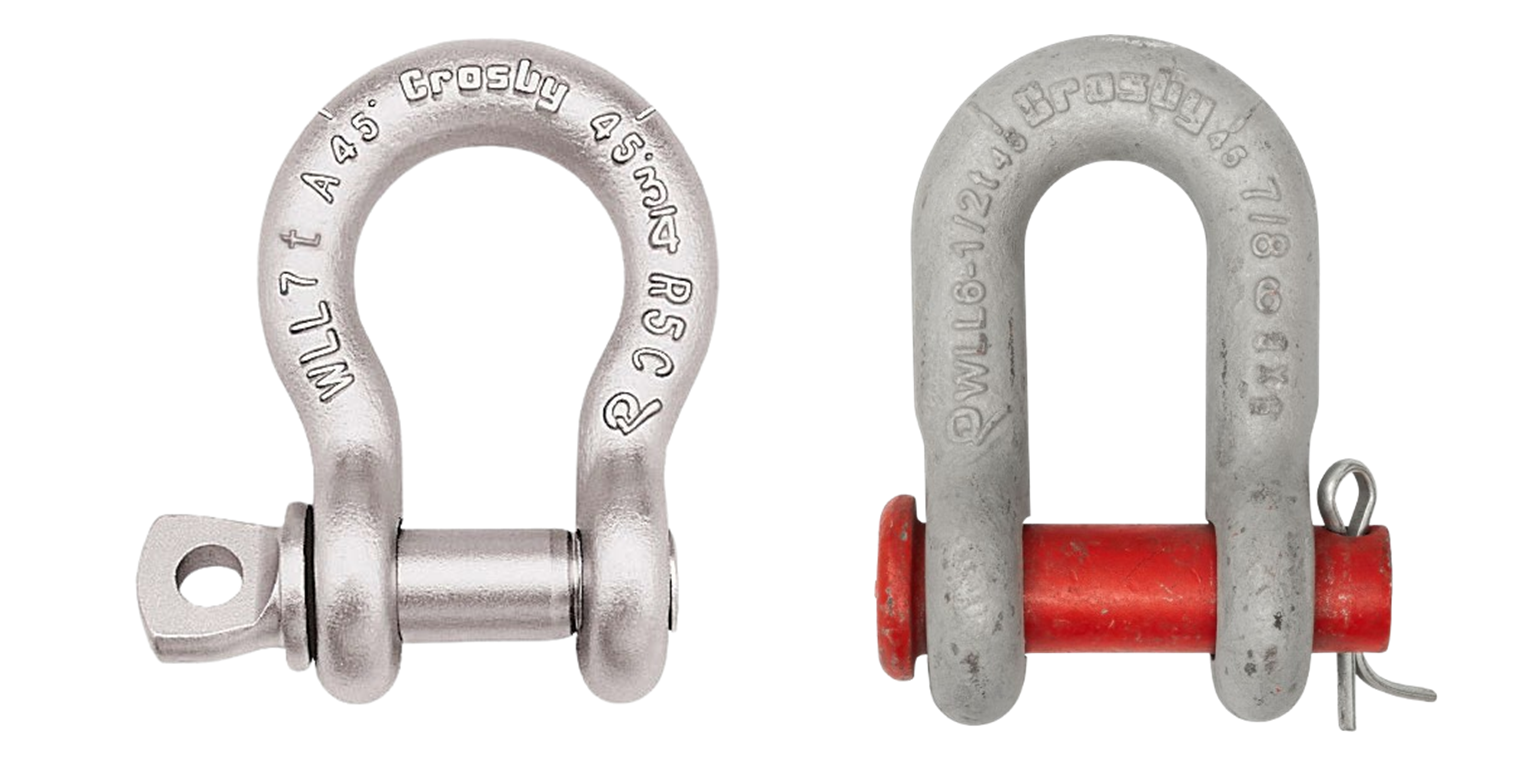
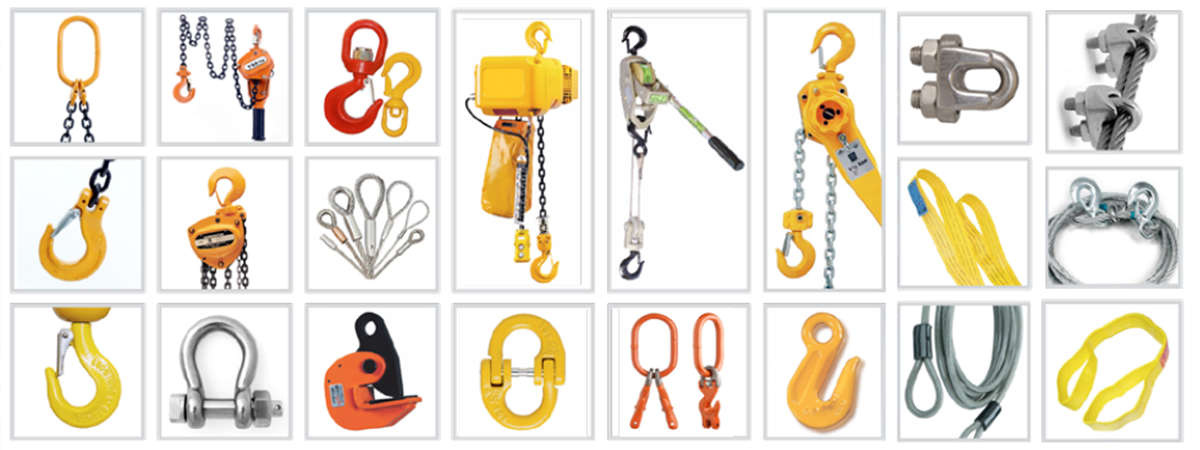
Types of Rigging Equipment: Participants will learn about various types of rigging equipment, including slings, shackles, and hooks. Understanding the different tools available helps operators choose the right equipment for each task, maximizing safety and efficiency.
Load Calculations: Knowing how to calculate the weight and center of gravity of loads is vital in lifting and slinging training. This section covers how to accurately determine load capacity and prevent overloading.
Proper Slinging Techniques: One of the core elements of the lifting and slinging course, this topic emphasizes how to attach slings correctly to different loads, ensuring that lifting operations are performed securely and without damage to the load or equipment.
Crane and Lifting Equipment Operation: The course also includes instructions on safely working with cranes and other lifting machinery. Proper coordination between the rigger, crane operator, and other personnel is crucial for smooth operations.
Hazard Identification and Risk Management: Workers must identify potential risks, such as load instability or equipment malfunction. Our course emphasizes proactive hazard assessment to prevent accidents.
Regulatory Compliance and Safety Standards: Trainees will learn about industry regulations, including OSHA and ISO standards, to ensure compliance during all lifting operations.